


The Restaurant
in the piazza
Potato-based cooking in Piazza Giovanni XXIII: every evening from 7pm, and on Saturday and Sunday also for lunch from noon. Table service, covered seating and no queues at the till.
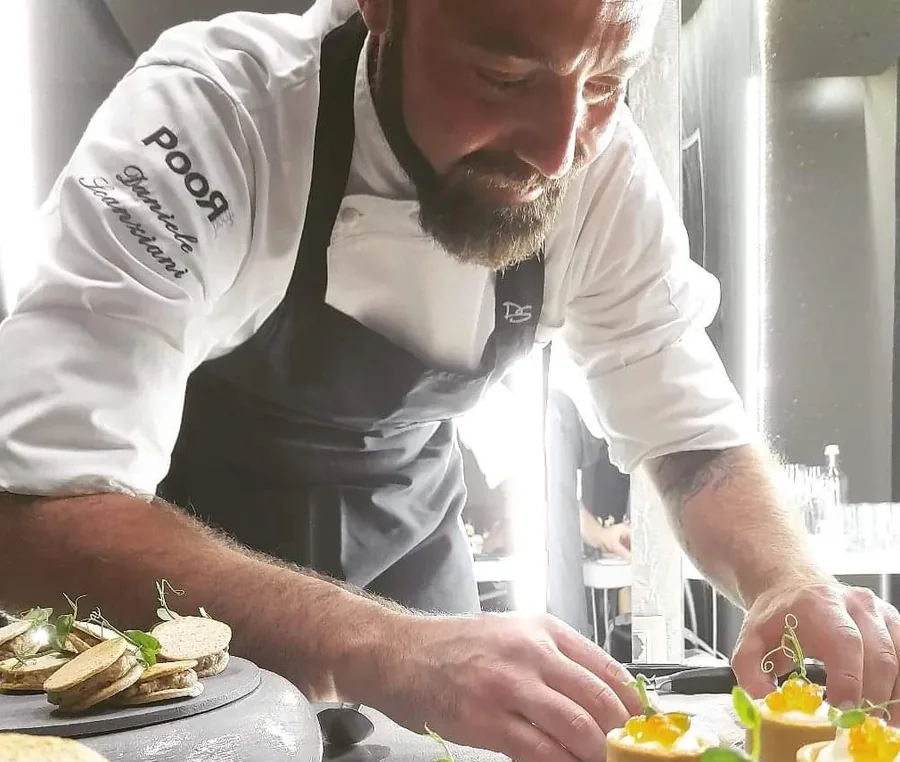
“In the piazza I bring my kitchen, and every dish comes from the work of a team of collaborators and volunteers who share the same passion. Together we choose the ingredients and take care of every detail. Because even a village festival deserves the soul of a great dining table.”

His is the Pan del Volta, the dessert created for the Sagra della Patata and named after the scientist who brought the potato to Lazzate.
Booking is not compulsory: some seats stay free for walk-ins.
On Saturday 26 and Sunday 27 the restaurant is open for lunch too.
(subject to change if needed)
Tradition and taste under the big marquee
The heart of the festival is the big marquee in Piazza Giovanni XXIII: every evening more than a thousand people sit down, under cover and served at the table. The menu is a tribute to home cooking, with the potato taking centre stage.
There is pulenta de pomm de tera, the signature dish of Lazzate tradition, and Friulian frico made of cheese and potatoes. There are pizzoccheri from Valtellina and gnocchi with game ragù for stronger flavours, and the mixed grills our cooks prepare. And it ends with Pan del Volta, the dessert named after the scientist who brought the potato here.
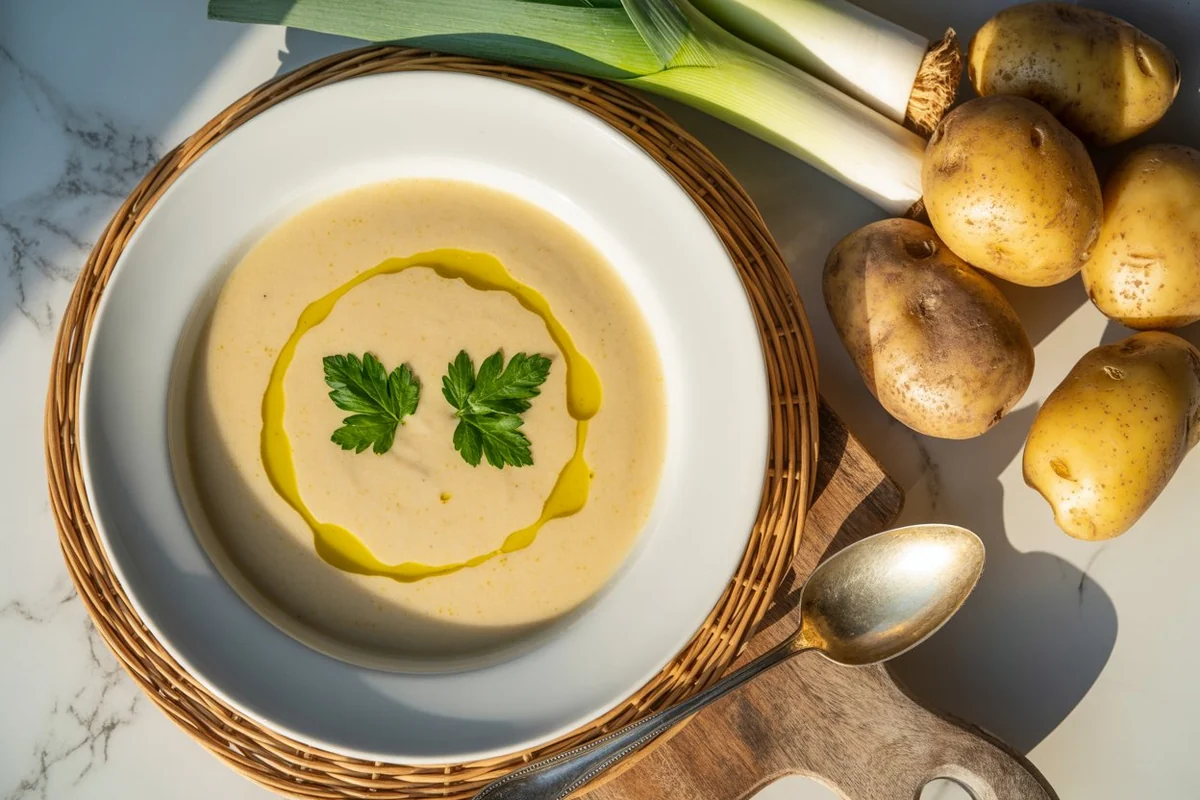
Parmentier soup
Here at the festival you taste a piece of the history of the potato — and of humankind.
Potato and leek soup with croutons. It carries the name of Antoine-Augustin Parmentier, the pharmacist who convinced France to eat potatoes in the same years Volta was convincing Lazzate: two men, the same battle, the food that took hunger out of Europe.
Here you eat it two hundred metres from Volta’s house. That does not happen anywhere else.
Why the potato in Lazzate →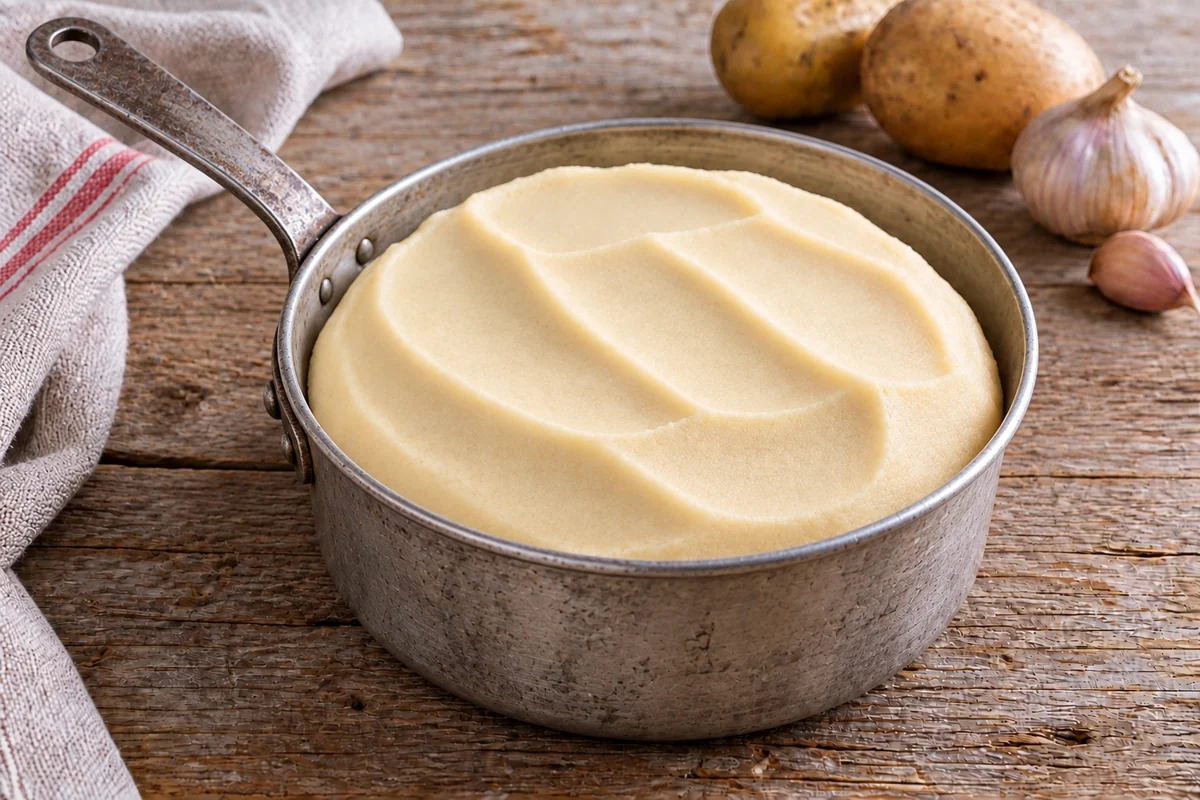
Pulenta de pomm de tera
Potatoes, butter, garlic, salt. Four ingredients: everything there was.
Our most Lazzate dish is also the poorest: potatoes boiled and crushed with a fork, butter browned with garlic poured over. It is called “polenta” because it took the place of the maize one when maize was short.
It is proof of how the potato was queen of the poor man’s table: it grew where wheat would not, it kept through winter, it filled you up. And people made the most of it with whatever was in the house. At the festival we serve it every evening.
The original recipe →The marquee in past editions
More than five hundred covered seats in Piazza Giovanni XXIII, served at the table by volunteers from the local associations.
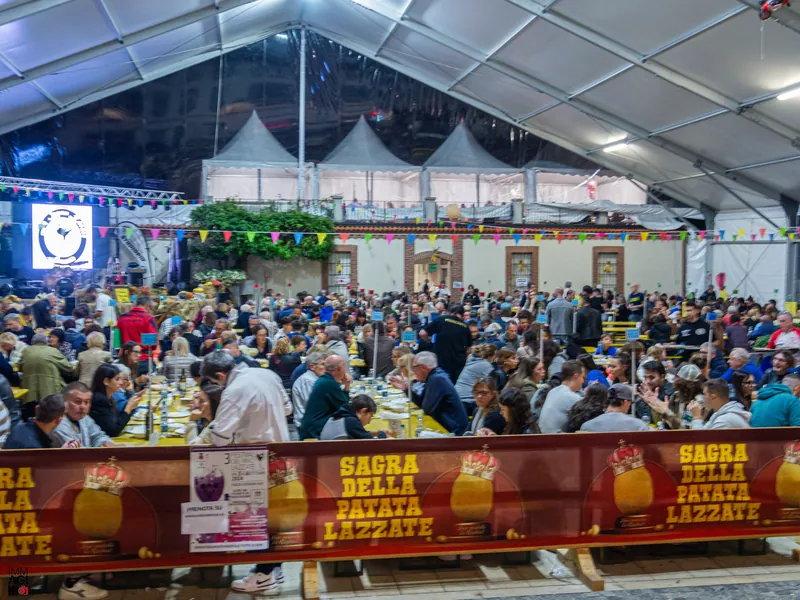 The marquee at full house
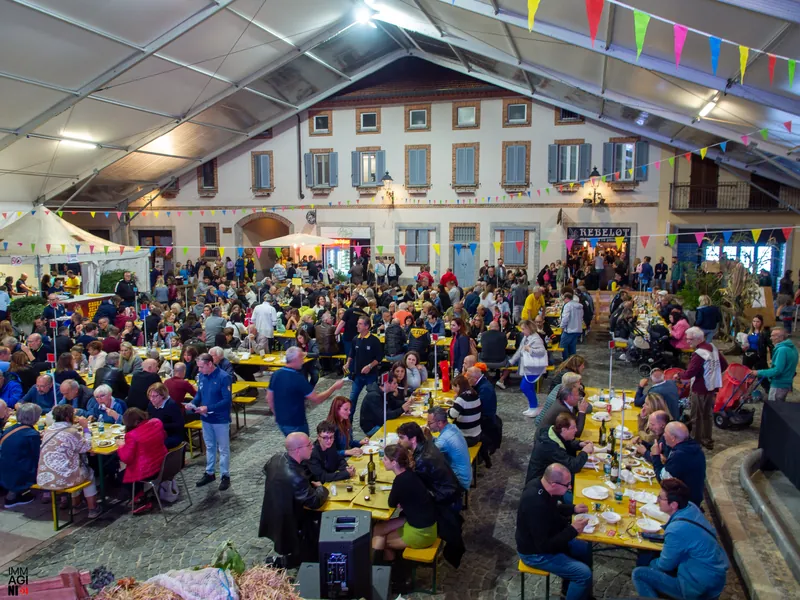 The long tables
 Dinner in the square
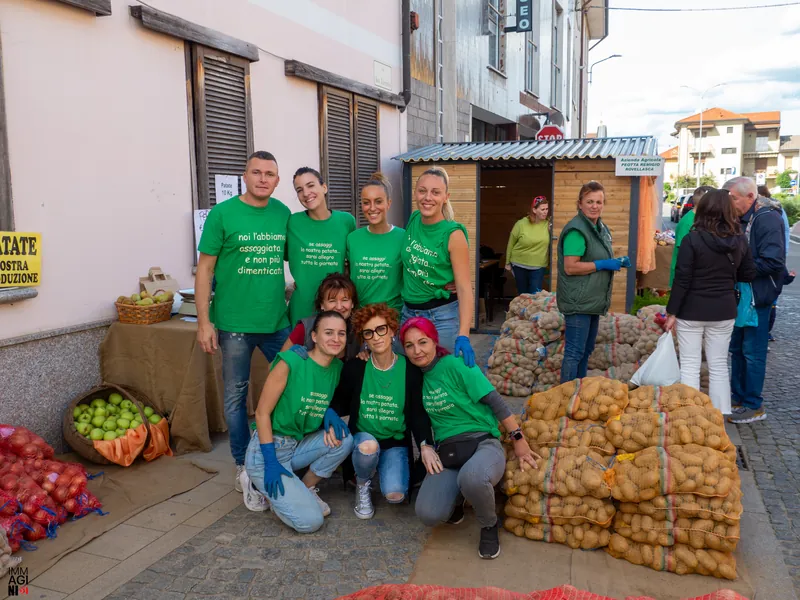 The volunteers
 Table service
 Evenings with music
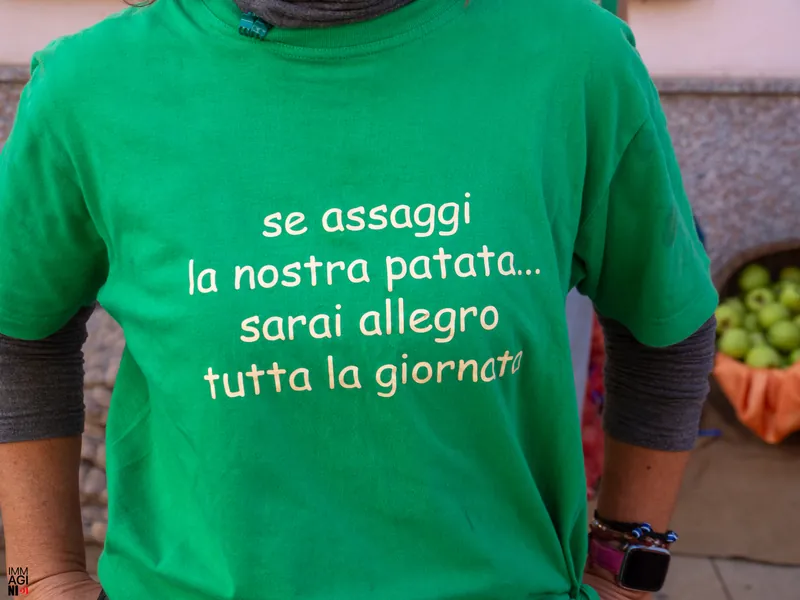
“We tasted it… and never forgot it”, “Taste our potato… and you'll be cheerful all day”: the rhymes the festival volunteers wear in the square for four days.